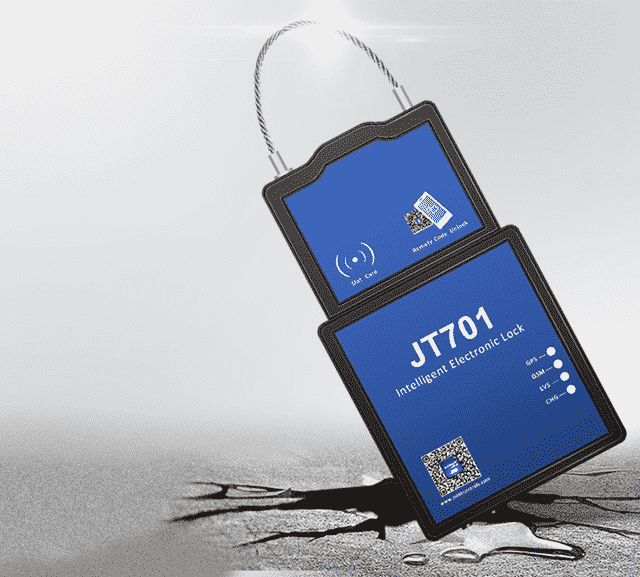
Fuel costs can quickly become an unexpected drain on any company's resources. As a result, it may lose competitiveness by having to raise its prices. That is why it is essential to have a control system that shows precisely how, when, and how much fuel is being used.
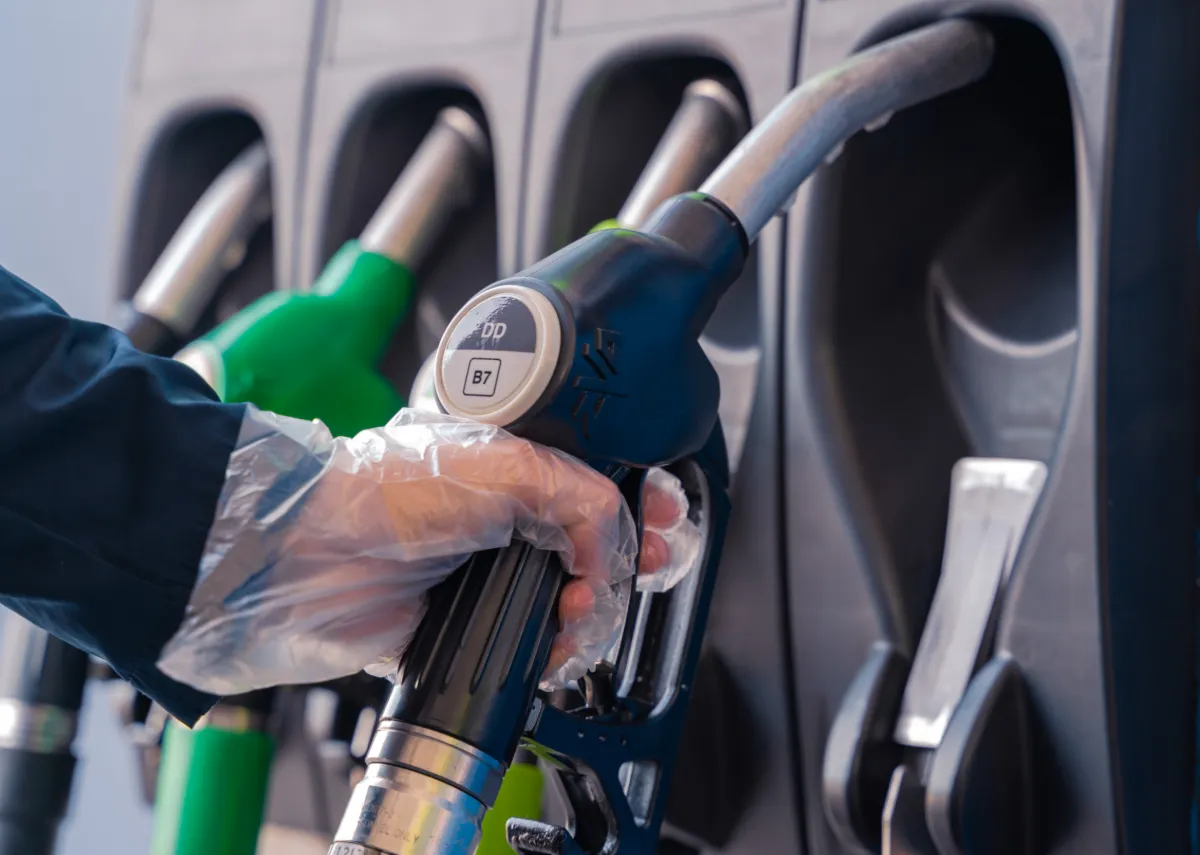
Fuel costs can quickly become an unexpected drain on any company's resources. As a result, it may lose competitiveness by having to raise its prices. That is why it is essential to have a control system that shows precisely how, when, and how much fuel is being used.
And what better tool than a modern GPS tracker like the one we offer at HUNTER? Our GPS Monitoring System, Hunter Track, helps you save fuel across a vehicle fleet while performing its geolocation function. So, without further ado, here is a quick and easy guide to saving fuel with a GPS Monitoring System.
A GPS system generates detailed reports on every trip a vehicle makes. This lets you see route deviations, travel times, delivery times, and even when the car or motorcycle stops or moves. With all that information, a company can plan the best possible routes to optimize fuel use.
Naturally, a vehicle's engine stays on while it is moving along a route. But when it is stopped, it should be turned off. During stops to refuel, load or unload goods, or take breaks, the engine should be switched off to avoid wasting fuel. A car GPS or motorcycle GPS can monitor and detect these idling stops, making it easier to supervise drivers and remind them to turn off the engine.
When a vehicle refuels, the GPS lets you verify where it happened. This helps you determine whether it was the best option and whether the refueling actually took place. You can also compare the distance traveled against the amount of fuel and exactly how much was loaded.
In addition, being able to geolocate the vehicle helps prevent it from being stolen. If an attempted theft is detected, the GPS monitoring center can be alerted to contact security services immediately. And if a driver uses the vehicle on unauthorized dates, consuming fuel in the process, the GPS can also detect and log that information.
By planning an exact route from departure to arrival, you can determine how much fuel is needed. If a detour occurs, it affects fuel consumption. When you use a GPS Monitoring System to track route compliance, you can see whether any unauthorized detours or stops were made.
Keeping a vehicle at a steady speed within reasonable limits helps the engine use fuel optimally, and drivers play a crucial role in achieving this. With a GPS, you can receive notifications for harsh braking, sudden acceleration, and speeding.
The GPS includes an engine-hour and mileage counter. By reviewing and tracking this data in reports, you can determine when each vehicle is due for maintenance. That way, no fuel is wasted due to mechanical failures or lack of maintenance.
Want to know how much your company could save on fuel across its vehicle fleet? All of these techniques are just a call or a click away. To start using our GPS Monitoring System, Hunter Track, simply contact us. You can get a completely free quote by calling 809.620.2002 or directly on our website www.hunter.do