Information is power, and that phrase applies perfectly to the automotive and transportation industry. For a long time, vehicles were hard to monitor and track because of distance and constant movement. Losses and wear were out of control, and that weakened the strength of a vehicle fleet.
Information is power, and that phrase applies perfectly to the automotive and transportation industry. For a long time, vehicles were hard to monitor and track because of distance and constant movement. Losses and wear were out of control, and that weakened the strength of a vehicle fleet.
But technology brought the solution, and now it's possible to get a wealth of information about every trip. It's not just about collecting it, though, but about making the most of it, and that's exactly what we achieve with the Hunter Track GPS Monitoring System. Here you'll learn how, when and in what way to obtain and use that information to optimize the management of any vehicle fleet.
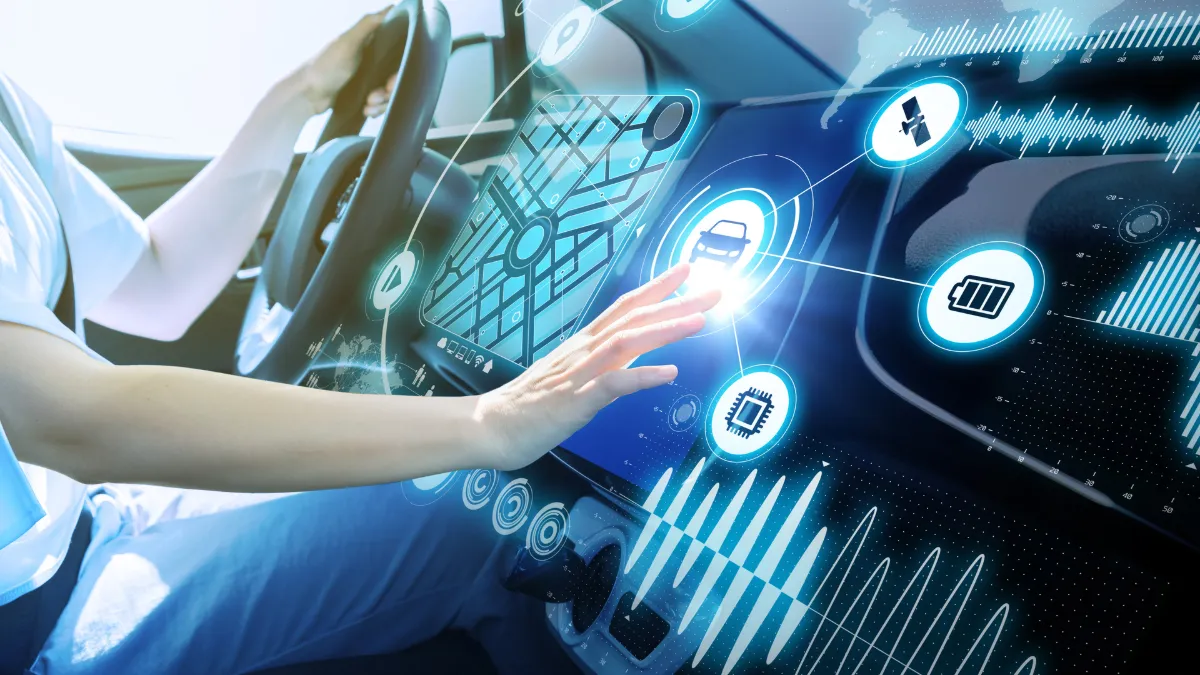
Vehicle telematics is an automated system that uses remote communication technology to collect data from a vehicle, process it and then transmit it to another electronic device or platform. This can happen in fractions of a second or less, which is why it happens in real time.
Vehicle telematics uses a series of sensors and detection elements that can measure physical and chemical quantities. With that in mind, the vehicle telematics process consists of the following steps:
Sensors act as receiving points that gather the data, for example fuel consumption levels, road geolocation, vehicle speed, temperature, movement and more.
The data collected by the sensors is converted into electrical signals so it can be transmitted to another remote device. This is done over wireless networks, which can include the internet or GPS. The Hunter Track Monitoring System uses a vehicle GPS as the transmitter.
The data collected and sent is organized by the receiver into charts, statistics or other variables that can be analyzed. With Hunter Track, you can view moving vehicles in real time on a digital map, along with mileage traveled, stop or idle times, and historical reports with all the data collected.
From there, a constant process of sending and receiving data to a monitoring center with a web platform begins. The data is then analyzed individually or in bulk to make decisions, all with the goal of increasing the fleet's productivity and protection.
A company's productivity is measured by the number of actions or the volume of efficient work a given factor can deliver. For vehicle fleets specifically, it's measured by how effectively and efficiently each vehicle is used along its route. This can include the number of deliveries, vehicle wear, fuel use, number of accidents and more.
In this sense, data collection makes it possible to analyze a fleet's performance and improve those productivity indicators. Even better, it lets you take action the moment events happen on the road.
Then, with historical reports, you can carry out in-depth analysis and make decisions. If fleet supervisors or managers take advantage of this information, they can boost the productivity of their vehicle operations. Some examples of what they can achieve include:
Being able to monitor events and drivers' habits makes it possible to take corrective action. In addition, real-time surveillance prevents theft and other incidents. And if they do occur, you can act quickly to send help.
The information generated by the vehicle GPS system allows the fleet to be managed more efficiently. Managers can review historical reports or monitor live performance to make better decisions. They also have a web platform and a mobile app that keep them on top of the fleet's performance at all times.
Maintenance alert programs make it possible to lower these costs. Alerts are set based on the hours or miles driven since the last service.
Telematics can be used for fleets of any size in any industry. It's also very easy to use, install and understand. That's why thousands of companies around the world join this trend every day.
In short, vehicle telematics is currently the most practical and efficient way to manage vehicle fleets. Our Vehicle Monitoring System, Hunter Track, proves it: its GPS-powered features let you get the most out of telematics. Best of all, it's easy to install and use. Just contact us at 809.620.2002 or visit our website to get a quote that fits your company's budget and needs.