Some products and goods need to stay refrigerated while in transit. These include food, certain medicines and some specialized equipment.
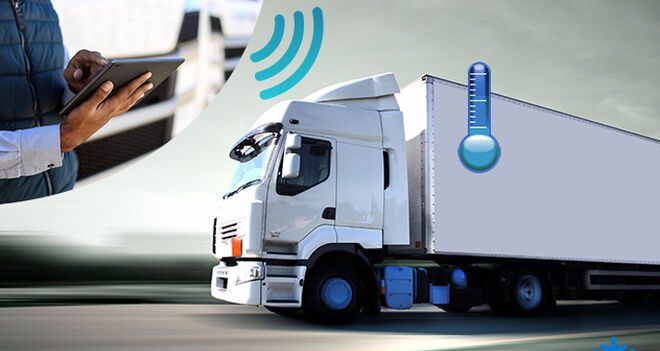
Some products and goods need to stay refrigerated while in transit. These include food, certain medicines and some specialized equipment.
Although many vehicles have a refrigeration system, road conditions, door openings, outside weather and unexpected events can all affect the temperature.
The solution is temperature sensors, available as accessories for our GPS Monitoring System, Hunter Track. Here we explain what they are, how they work and the benefits they can bring to your company.
A temperature sensor is a device placed in a vehicle's refrigerated cargo area to measure temperature changes over a given period of time.
Specifically, it is a resistance thermometer. Unlike the temperature recorders that may already be installed in cargo vehicles, the temperature sensor also sends the readings it records through the GPS satellite tracking system.
The Hunter Track platform then collects and receives that information. With these reports, you can monitor temperature levels remotely and take immediate action when needed. In addition, depending on the route area, a fleet manager can schedule periodic adjustments during a trip and remotely verify that the driver carries them out.
This is the industry that can make the most of temperature sensors, given the wide variety of food transported every day around the world. Meat, poultry, fish, vegetables, fresh and dried fruit, dairy and every other kind of perishable food benefit from this system.
Besides the producer or rancher, end customers such as supermarkets, restaurants and other resellers benefit directly by receiving cargo that has been properly refrigerated and preserved. This also lets them keep the product ready and available for sale for longer.
The pharmaceutical industry distributes many medicines that must stay in the cold chain from the moment they are made. These include serums, vaccines and other chemicals.
The most recent example is the COVID-19 vaccines, which required refrigeration throughout international transport until they reached hospitals and vaccination centers. In any case, transporting them with temperature sensors that prove the cold chain was maintained allows them to be safely delivered to the end customer.
If your company transports any of the products mentioned here, installing refrigeration sensors is the right choice to improve your operation. Whether you are a service provider or distribute your own cargo, the Hunter Track GPS Monitoring System gives you all the benefits these devices offer.
It is a proven system with results you will see for yourself once it is installed. Just contact us at 809.620.2002 or visit our website, hunter.do, to request a quote. Our technicians are always ready to give you all the support you need.