Many drivers take to the roads every day in every country, but that doesn't mean they all drive well. In fact, many lack knowledge and skill. While some qualities are innate, other important ones can be learned and put into practice for a safe, trouble-free trip.
Many drivers take to the roads every day in every country, but that doesn't mean they all drive well. In fact, many lack knowledge and skill. While some qualities are innate, other important ones can be learned and put into practice for a safe, trouble-free trip.
Road crashes cause considerable losses every year, and the Dominican Republic is committed to lowering its share of the figures in the Americas, which reach up to 11% of all traffic deaths. With that in mind, here are some of the most important qualities you can also learn to become a good driver.
A driver's preparation begins with getting proper rest. That means getting enough sleep and avoiding alcohol or drugs for several hours beforehand. It also means keeping your glasses handy if you need them and wearing clothing that lets you drive comfortably.
A good driver understands how important it is to keep a vehicle in good condition. That's why they stay alert to any mechanical fault or defect and don't hesitate to repair it as soon as possible.
There are many traffic rules. A good driver knows what they mean and what action each one requires. To do so, they make a point of staying current with traffic laws and regulations.
In the Dominican Republic, for example, the new Law 63-17 on Mobility, Land Transportation, Traffic and Road Safety sets out road safety and education plans that any responsible driver can take advantage of.
Chapter 5 of the law is devoted to driving rules and also establishes certain prohibitions. These include rules on horn use, what to do when making a turn, parking rules and use of the emergency brake.
There will always be distractions while driving, and today the most common one is the cell phone. A good driver keeps it out of reach and on silent while driving, so they neither answer calls nor send text messages.
As in many countries, the Dominican Republic's Mobility and Traffic Law (art. 221) establishes that a driver distracted by cell phone use can be fined and lose points on their license.
To avoid distractions, a good driver should not eat, drink or smoke while driving. Beyond the distraction itself, the effects of alcohol or the feeling of being overly full can slow reflexes and reaction time to what happens on the road.
On this point, figures from the Dominican Republic's National Statistics Office for 2016-2020 showed that the share of traffic deaths rose considerably on weekends.
Sundays reached 21.9%, and alcohol was undoubtedly one of the factors behind the increase. That is why articles 256 and 257 of the Mobility and Traffic Law prohibit driving while intoxicated or under the influence of drugs.
City streets and highways post speed limits. Even when they allow high speeds, it's best to stay within reasonable limits, and never exceed the limits set by regulations.
Passengers matter to a good driver, who looks after them and pays attention to them. To begin with, they make sure everyone wears a seat belt. They also never exceed the number of passengers the vehicle allows, so the trip stays safe.
With GPS devices, drivers always know where they are, so they don't hold up traffic looking for directions and the trip keeps flowing. A good GPS also allows quick location in case of theft and can send location coordinates in the event of an accident or detour.
A good driver always signals their movements on the road using the appropriate lights. For example, they use their signals and low beams when passing another vehicle, turning right or left, taking a curve, or facing strong headlights from an oncoming vehicle, etc.
This way they announce their movements or make their vehicle's presence known, and of course, follow the traffic rules.
A tired driver must be able to recognize it and pull over to recover. Fatigue can set in during the trip, and stopping to rest helps prevent accidents or falling asleep at the wheel.
They also act preventively by scheduling rest breaks on longer trips to avoid reaching the point of excessive fatigue.
Unfortunately, vehicle theft has become very common in many countries. To avoid it while driving, good drivers don't hesitate to install alarms and security cameras in their vehicles.
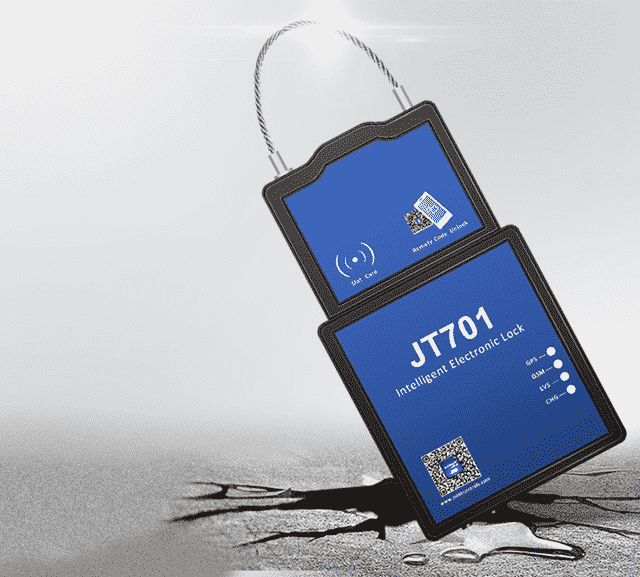
They also use GPS devices to locate the vehicle quickly and easily if the theft can't be prevented. In addition, a truck or vehicle fleet adds other anti-theft equipment, such as a panic button, monitored alarms, door alarms, electronic locks, door security sensors and the like.
Keeping at least 5 meters of safe distance allows time to react to any driving error. When drivers respect that distance, potential accidents drop considerably.
In short, a good driver is defined even before getting behind the wheel. Once on the road, the keys are being careful, being prudent and respecting traffic laws and rules.