Long road trips require planning and care to avoid risks and accidents. Without a doubt, the vehicle is the star of the journey. It runs at full capacity for hours, so it needs to be in the best possible condition to do its job.
Long road trips require planning and care to avoid risks and accidents. Without a doubt, the vehicle is the star of the journey. It runs at full capacity for hours, so it needs to be in the best possible condition to do its job.
Much of a trip's success depends on the vehicle running well. Fortunately, you can take precautions by inspecting it before you leave. And when it comes to vehicles that are part of truck fleets or other types of fleets, that inspection is even more important. With that in mind, here are the parts of your vehicle you should always check before heading out.
Tires are a fundamental part of any vehicle. When checking them, keep two things in mind:
Vehicles rely on oils and fluids for many of their functions. Of all of them, these are the ones you should always check:
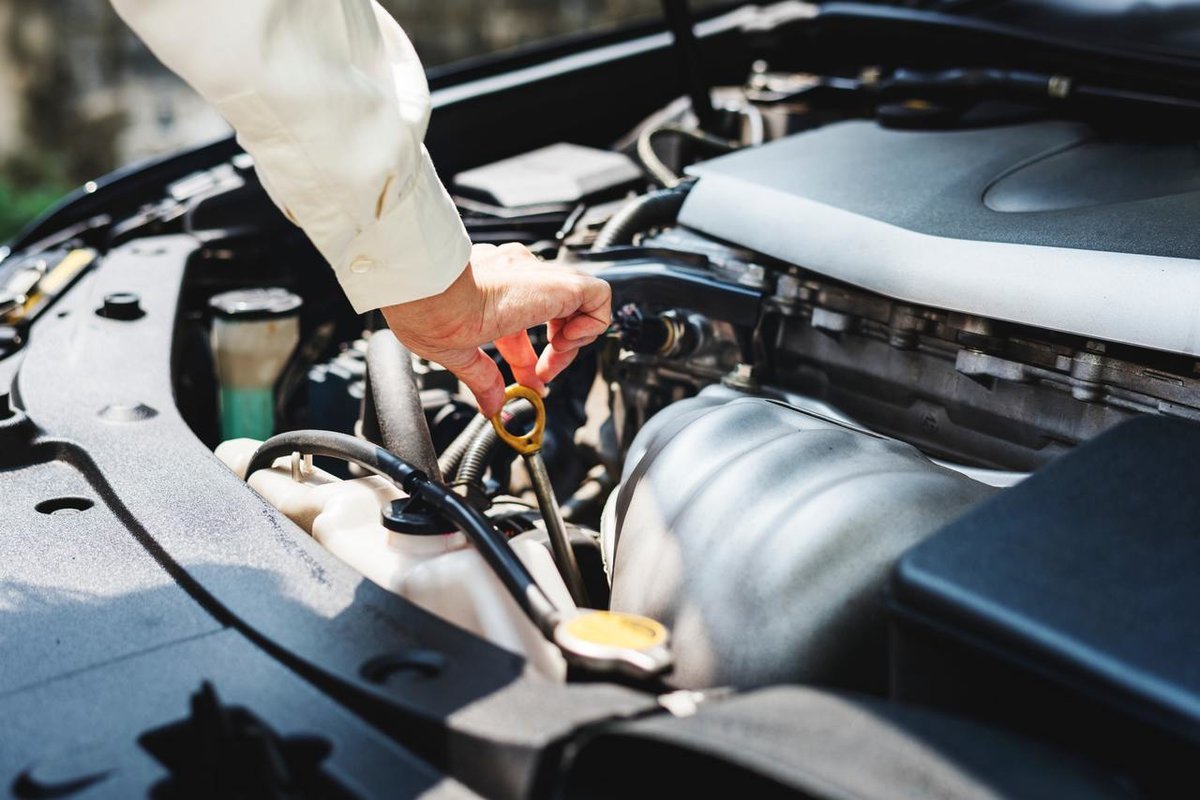
Engine oil is easy to check because it has its own dipstick. The vehicle should be turned off when you check it, and it's best to check twice to make sure the reading is correct. If the engine runs low on oil during the trip, the vehicle can stall or overheat to the point of damaging the entire engine.
This type of oil lubricates the gearbox and is usually located on the underside of the vehicle. It should be changed approximately every 60,000 km. When the reservoir runs low, friction from shifting gears can cause overheating.
Other fluids to check include radiator water and its coolant mix, brake fluid and windshield washer fluid.
Faulty brakes cause many road accidents. Beyond their importance, repairing and adjusting them sometimes requires specialized mechanics. That's why it's essential to check them before a long trip.
If the brakes are out of adjustment, they may show common problems such as inconsistent braking, a spongy pedal or high-pitched noises. Other times they show no obvious signs but may still need some adjustment.
First, make sure there is enough brake fluid. Second, the brake pads should not be worn. The brake system also has many other components, so a full inspection is advisable before a long trip.
Long trips require several stops along the way to eat or rest. That's why you need to make sure security systems such as alarms and GPS devices are working perfectly.
While they don't affect the vehicle directly, they help protect it and add peace of mind during the trip. If you're traveling somewhere unfamiliar, GPS is also a very useful navigation tool. And in case of accidents or detours, GPS makes it easy to correct your route. Alarms also help prevent your car from being stolen
Long trips often mean driving part of the way at night. That's why you need to make sure all the lights work properly, including headlights and taillights, brake lights, turn signals and interior lights.
Even if you don't plan to drive at night, your lights should still be working properly. Once you reach your destination, you may also need to drive around town or the city, and there you'll always need properly working lights.
Ultimately, a long trip puts any vehicle to the test. That's why no one should underestimate the value of investing a little time and attention to make sure its main parts are working well.