Emergency services, whether responding to individual accidents or widespread natural disasters, depend on help from many sources. Beyond the care provided by doctors and medical staff, equipment and food often need to be transported as well.
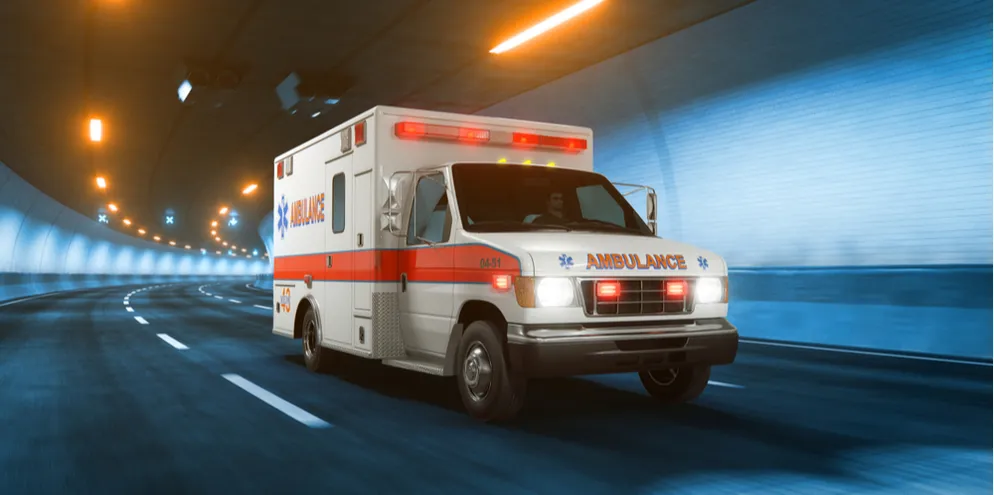
Emergency services, whether responding to individual accidents or widespread natural disasters, depend on help from many sources. Beyond the care provided by doctors and medical staff, equipment and food often need to be transported as well.
In every case, vehicles must be fast and able to overcome many obstacles to reach the places where they are needed. With the support of Hunter Track's GPS tracking solution, this can be achieved very effectively. Here's how it works and what the benefits are.
During crises or accidents, traffic can be at its worst: very slow, rain-soaked, and sometimes gridlocked for all kinds of reasons. In those situations, GPS helps identify which route offers the best access and is clear to drive.
In other words, it shows where there are accidents, detours, landslides or any other incident. Best of all, the information is constantly updated, so drivers always have up-to-the-minute data to reroute if necessary.
Keeping an ambulance in good condition is especially important because of the emergency role it plays. The big risk is that it doesn't receive proper maintenance and breaks down in the middle of an emergency. Specifically, vehicle GPS can do the following:
Although it's normal for an ambulance or emergency vehicle driver to drive at high speeds, this shouldn't happen all the time. For these cases, the GPS Tracking System offers alerts and notifications that flag when it happens in other circumstances, such as harsh braking or sudden acceleration. In addition to live monitoring, this can also be reviewed in the reports generated by the GPS.
Communication and good coordination among medical staff, firefighters and other first responders is crucial to their work. Amid disasters, anxious people and damage, coordinating efforts can feel almost impossible.
But with a GPS Tracking System, it's possible to stay in constant contact with transport units and give precise instructions. In addition, a monitoring center can continuously evaluate the best routes to reach disaster or accident sites.
GPS also makes it easier to locate the professional needed in specific circumstances. All of this can save lives and protect property.
Today there are many portable units that can replace the permanent equipment used to deliver public services, such as power generators and towers, water plants and similar equipment. In those cases, they must be transported safely or kept secure at the site where they are installed.
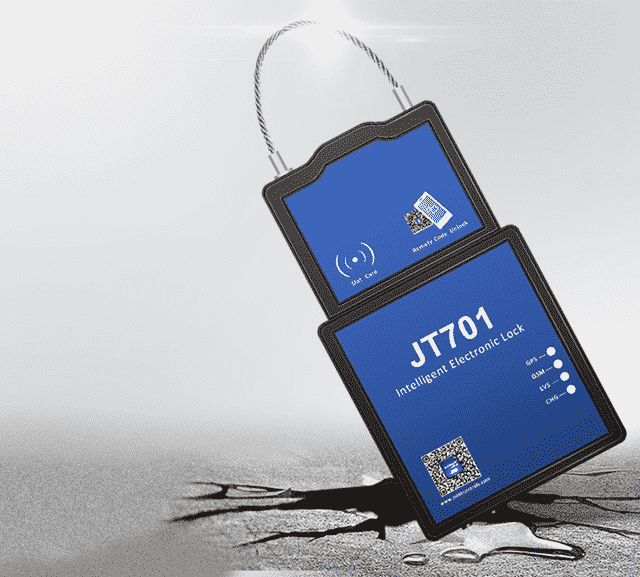
A GPS Tracking System makes it possible to guarantee this and verify that they remain where they were installed. If they need to be moved, every location they are taken to can be monitored. This helps prevent equipment theft and ensures that people in need receive services during difficult times.
To begin with, you should know that a fleet of any size can install a satellite tracking system with GPS for cars, GPS for motorcycles or any other vehicle that requires protection.
That's how we handle it at HUNTER. Simply contact us at 809.620.2002 or visit our website to request a quote. From there, installation takes just 3 steps:
Don't miss this opportunity. Contact us today!